Electronics Project Finder

Find Your Perfect First Electronics Project

Answer 5 quick questions about your experience, interests, time and budget. We'll match you with a beginner-friendly project you can actually finish — parts list and step-by-step guidance included.

2,400+
Projects matched
5 min
Average quiz time
18+
Project types
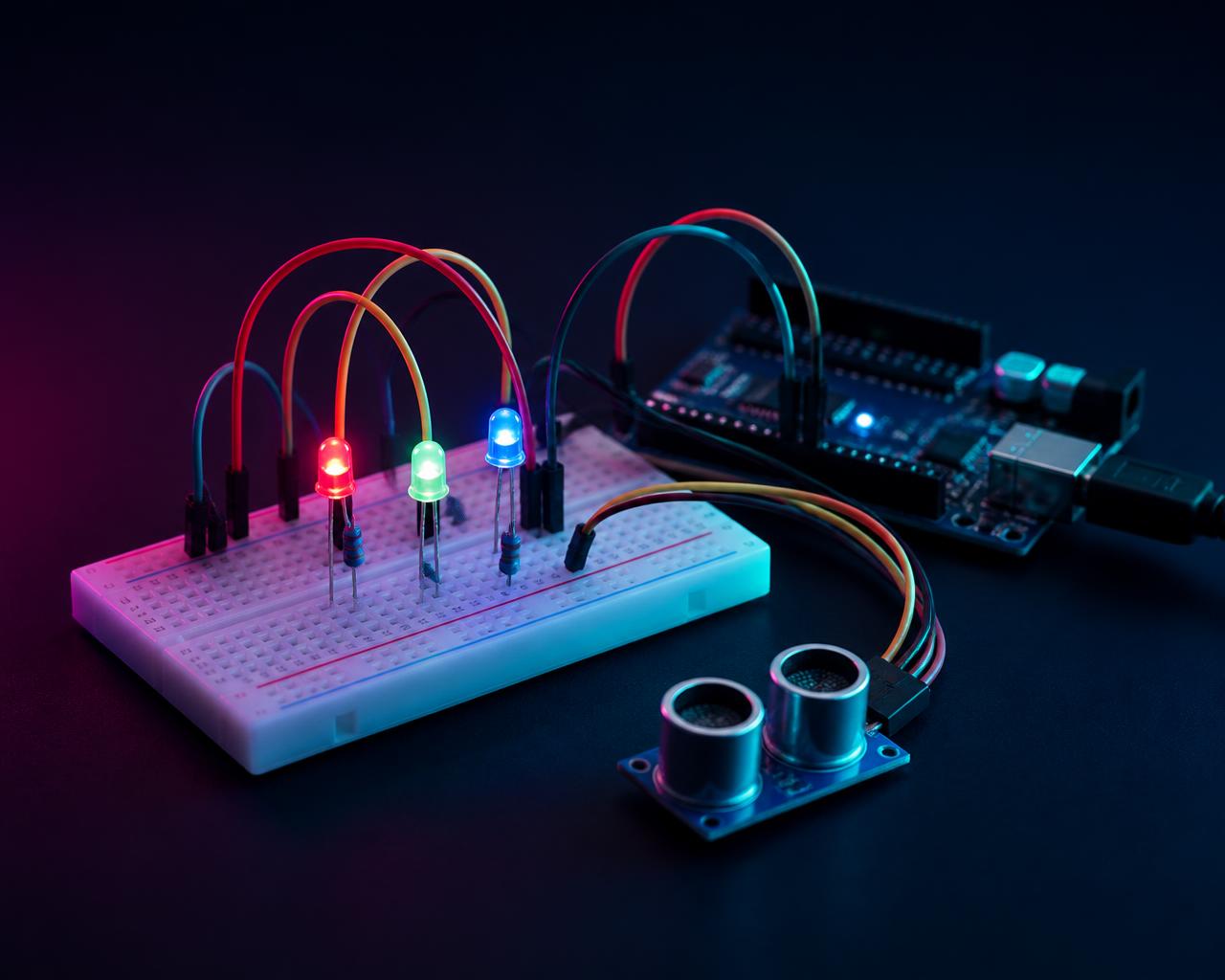
Beginner electronics setup: a breadboard with glowing red, green and blue LEDs and resistors, jumper wires running to a microcontroller board and an ultrasonic distance sensor

Why CircuitStarter

Built for beginners who are serious about starting

Most project lists are overwhelming. CircuitStarter cuts through the noise with a personalised match — not a generic list.

  • Smart Matching

    Our algorithm weighs your experience level, interests and constraints to surface the most relevant project — not just the most popular one.

  • 5-Minute Quiz

    No lengthy sign-up. Just 5 focused questions that capture everything we need to make a real recommendation.

  • Ready-to-Buy Parts List

    Every recommendation includes an itemised parts list with estimated costs, so you know exactly what to order before you start.

  • Clear Learning Outcome

    Each project comes with a concise summary of the skills and concepts you'll gain — so you know the investment is worth your time.

How it works

From zero to building in minutes

Three simple steps between you and your first successful electronics project.

  1. Answer 5 Questions

    Tell us your experience level, what excites you most (automation, sensors, robotics, home electronics), how much time you have, your budget, and your primary goal.

  2. Get Your Match

    Our matching engine analyses your profile and selects the project that best fits you — no waiting, no guesswork, drawn from a library of vetted beginner builds.

  3. Build & Learn

    Get a complete breakdown: what you'll build, what you'll learn, every part you need with cost estimates, and suggested next projects to grow your skills.

Project library

What could you build next?

Six builds from the library — from LED sequencing to motor control. Take the quiz to see which one matches your level, time and budget.

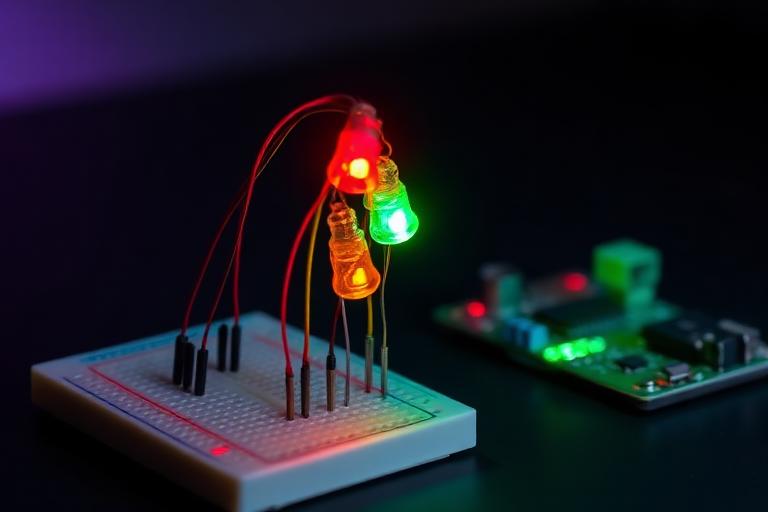
  • Red, amber and green LEDs wired in a traffic-light column on a breadboard next to a microcontroller board

    Traffic Light Sequencer

    Beginner

    Automation

    Build a mini street crossing that cycles red, amber and green on a timed loop — the classic first taste of automation logic.

    • 1–2 hrs
    • ≈ $12
    • Arduino Uno / clone
    • LEDs (red / amber / green)
    • 220Ω resistors
    • +1 more

    You'll learn: Timing circuits, sequential logic and breadboarding basics.
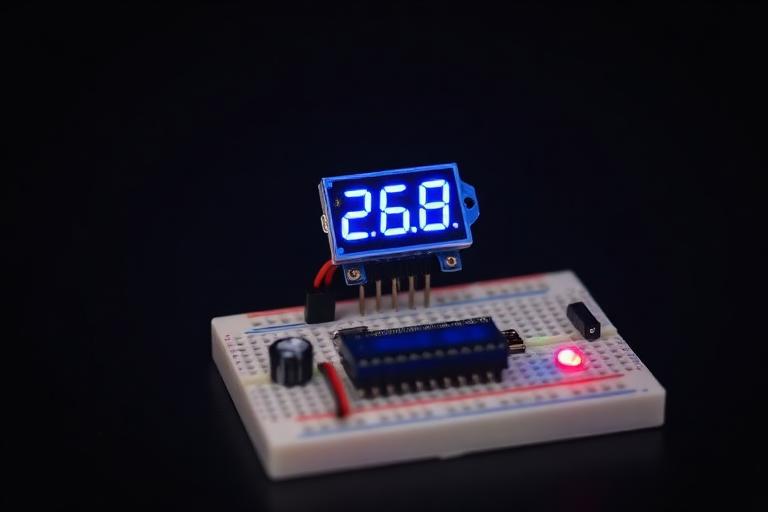
  • Digital temperature readout above a breadboard holding a temperature sensor, buzzer and indicator LED

    Temperature Alert System

    Beginner

    Sensors

    Read room temperature and trigger a buzzer plus LED warning when it crosses a threshold you choose.

    • 2–3 hrs
    • ≈ $19
    • LM35 or DHT11 sensor
    • Piezo buzzer
    • Arduino Nano
    • +1 more

    You'll learn: Analog sensor reading, comparison logic and threshold tuning.

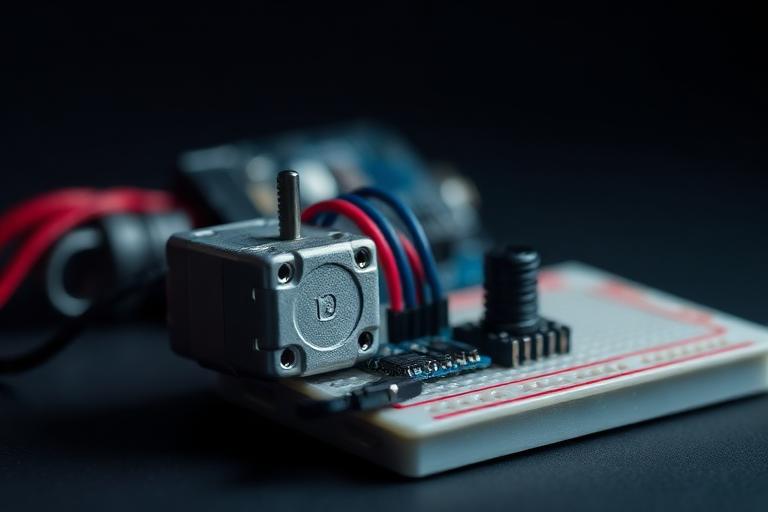
  • Small DC motor wired through a motor driver and potentiometer on a breadboard

    Motor Speed Controller

    Easy+

    Automation

    Spin a DC motor and dial its speed up and down with a potentiometer using pulse width modulation.

    • 3–4 hrs
    • ≈ $24
    • DC motor
    • L298N or MOSFET driver
    • 10kΩ potentiometer
    • +2 more

    You'll learn: PWM signals, transistor switching and motor driver wiring.

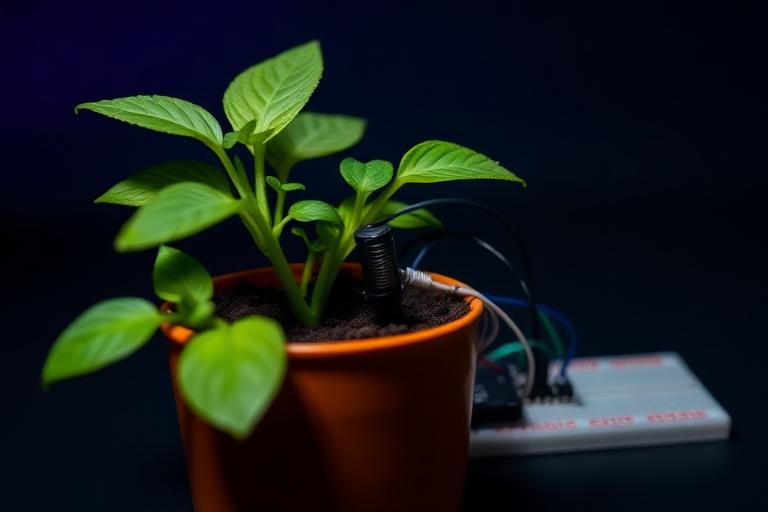
  • Soil moisture probe pushed into a potted houseplant and wired to a breadboard circuit

    Plant Moisture Monitor

    Beginner

    Home Electronics

    A soil probe that blinks when your plant is thirsty — the friendliest possible introduction to sensors.

    • 1–2 hrs
    • ≈ $15
    • Soil moisture sensor
    • Arduino Nano
    • RGB LED
    • +1 more

    You'll learn: Analog input scaling, calibration and conditional logic.

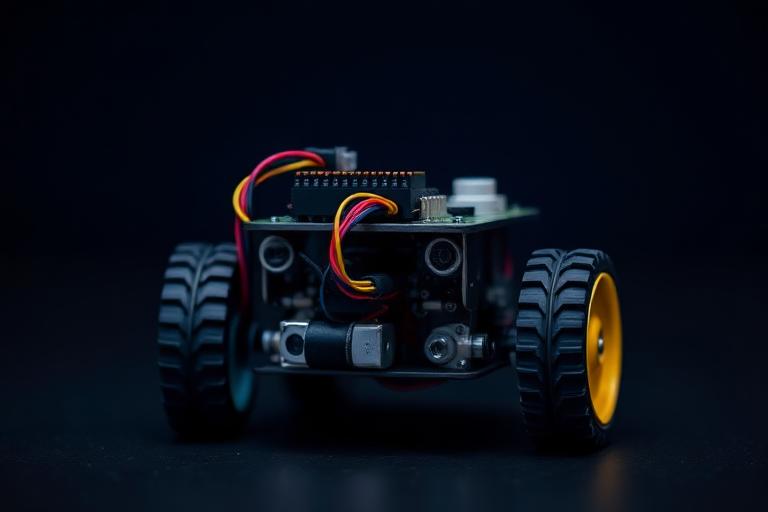
  • Four-wheeled hobby robot chassis with an ultrasonic distance sensor and microcontroller mounted on top

    Obstacle-Avoiding Robot

    Intermediate

    Robotics

    A two-wheeled rover that reads distance and steers itself away from walls, boxes and shoes.

    • A weekend
    • ≈ $38
    • 2WD chassis kit
    • HC-SR04 ultrasonic sensor
    • L298N motor driver
    • +2 more

    You'll learn: Ultrasonic ranging, motor control and simple autonomy loops.

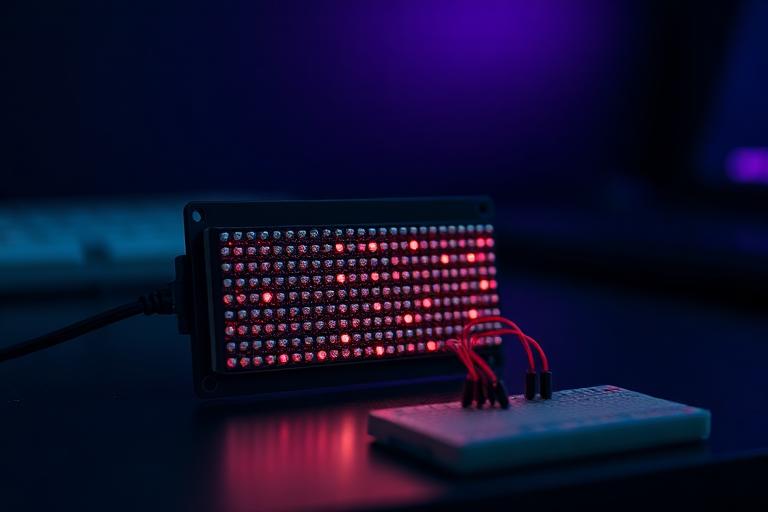
  • LED dot-matrix panel glowing red, connected by jumper wires to a breadboard

    LED Matrix Display

    Easy+

    Home Electronics

    Scroll your own messages across an 8x8 matrix and learn how a single chip drives dozens of LEDs.

    • 3–4 hrs
    • ≈ $21
    • 8x8 LED matrix
    • MAX7219 driver module
    • Arduino Uno / clone
    • +1 more

    You'll learn: SPI communication, multiplexing and display buffers.

Beginner guide

Breadboard vs Soldering: What Should Beginners Use?

A plain-English comparison of the two ways to build a circuit — cost, speed, durability, and when to move from breadboard prototyping to your first solder joints.

Testimonials

What learners say

How beginners used CircuitStarter to pick a project that fit their level — and actually finish it.

  • I had no idea where to start with electronics but the quiz narrowed it down to one a project that actually matched my level, and i built it the same day.
    Maya OkonkwoNursing student, first-time builder

    Built: Traffic Light Sequencer

  • The match-strength bar is what sold me. It explained why a temperature alert system fit my budget and my two free evenings a week instead of just throwing a list at me.
    Daniel ReyesWarehouse tech, self-taught

    Built: Temperature Alert System

  • I mentor a small robotics club and now every new member starts here. The 'After You Build It' challenges keep them going once the first build is finished.
    Priya NadarVolunteer robotics mentor

    Built: Motor Speed Controller